
Dealing with hair loss can be a deeply personal and often frustrating experience. Whether you have noticed a receding hairline in your late twenties or thinning at the crown as the years go by, the impact on your self-confidence is real. Fortunately, we live in an era where medical technology has advanced to the point that a full, natural-looking head of hair is no longer a pipe dream. If you are currently searching for the best hair transplant Glasgow can provide, you have likely realised that the city has become a significant hub for hair restoration in the UK.
Choosing to undergo a hair transplant is a big decision. It is not just about the financial investment; it is about trusting someone with your appearance and your long-term well-being. Glasgow offers a wealth of medical expertise, but navigating the various clinics, techniques, and promises can feel overwhelming. The key is to look beyond the flashy advertisements and focus on the clinical excellence, the surgeon’s experience, and the personalised care that will ensure you get the results you desire.
Why Glasgow has become a destination for hair restoration
Glasgow has a long-standing reputation for medical excellence, with some of the finest teaching hospitals and private surgical centres in the country. This culture of clinical rigour has naturally extended into the field of cosmetic and restorative surgery. Patients are no longer feeling the need to travel to London or abroad to find world-class care; they are finding it right here in the West of Scotland.
When looking for the best hair transplant Glasgow, you are looking for a combination of artistry and medical precision. A successful transplant is not just about moving hair from one place to another; it is about designing a hairline that suits your facial structure, age, and future hair loss patterns. Glasgow-based surgeons are increasingly recognised for their ability to deliver these bespoke results, focusing on the individual needs of the patient rather than a one-size-fits-all approach.
The different techniques you should know about
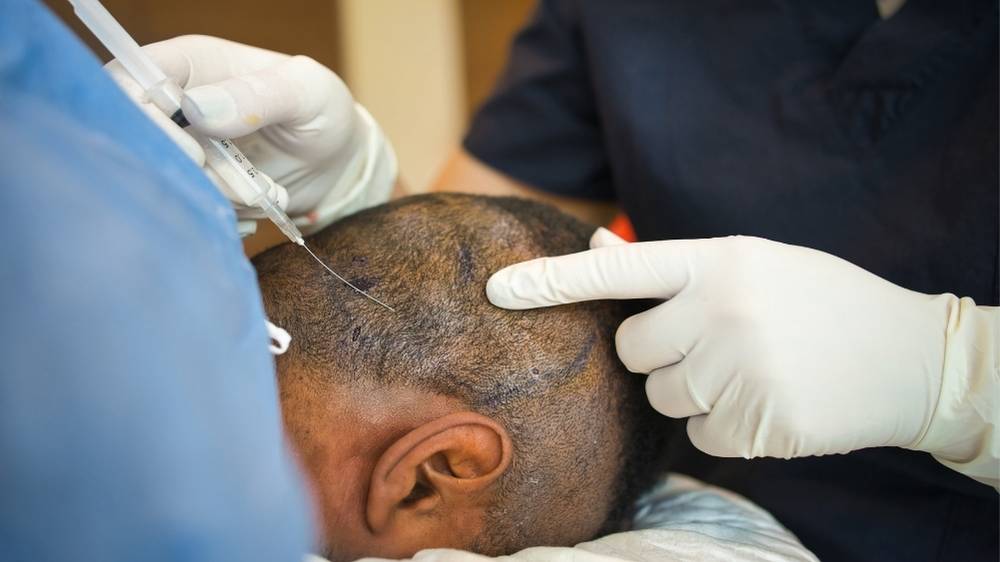
Before you book a consultation, it is helpful to understand the primary methods used in modern hair transplantation. While the goal is the same—to move healthy hair follicles from a donor area (usually the back or sides of the head) to the thinning areas—the way this is achieved varies.
- Follicular Unit Extraction (FUE): This is the most popular modern technique. It involves extracting individual hair follicles one by one using a specialised micro-punch tool. Because it does not involve a linear incision, it leaves tiny, dot-like scars that are virtually invisible, even with short hair.
- Follicular Unit Transplantation (FUT): Also known as strip surgery, this involves removing a small strip of scalp from the donor area. The follicles are then dissected under a microscope and transplanted. While it leaves a linear scar, it is often a highly effective method for patients requiring a large number of grafts.
- Direct Hair Implantation (DHI): A variation of FUE where the follicles are implanted directly into the recipient area using a specialised pen-like device, often allowing for more control over the angle and depth of the hair.
The choice between these methods depends on your specific type of hair loss, the quality of your donor hair, and your lifestyle preferences. A reputable surgeon will discuss these options with you in detail during your initial assessment.
What to look for in a top-tier Glasgow clinic
Finding a clinic that feels right is about more than just the price tag. In fact, choosing a clinic based solely on the lowest cost can often lead to subpar results or the need for corrective surgery later on. To find the best hair transplant Glasgow offers, you should look for several key indicators of quality and safety.
The importance of surgeon involvement
One of the most critical factors is how involved the lead surgeon is in your procedure. In some high-volume clinics, the surgeon might only be present for the initial design, leaving the actual extraction and implantation to technicians. For the best results, you want a surgeon who is hands-on throughout the process. Their expertise in graft placement and hairline design is what separates a mediocre transplant from one that looks completely natural.
Comprehensive aftercare and support
A hair transplant is a surgical procedure, and the days and weeks following the surgery are vital for the survival of the grafts. A quality clinic will provide a detailed aftercare programme, including:
- Specific instructions on how to wash your hair in the first week.
- Medications to manage any swelling or discomfort.
- Scheduled follow-up appointments to monitor growth and healing.
- Direct access to the clinical team if you have any concerns during recovery.
The consultation process is your best tool
Your journey should always begin with a thorough, no-pressure consultation. This is your opportunity to ask the difficult questions and get a feel for the clinic’s transparency. You should never feel rushed or pressured into making a decision. A good surgeon will be honest about what can be achieved and, more importantly, will tell you if you are not a suitable candidate for surgery at this time.
During a consultation, expect the surgeon to examine your scalp using specialised tools to check hair density and the health of your donor area. They should also take a full medical history to ensure there are no underlying conditions that might affect the transplant’s success. This level of detail is a hallmark of the best hair transplant Glasgow clinics, as it ensures patient safety and long-term satisfaction.
Setting realistic expectations for your results
It is important to remember that a hair transplant is not an instant fix. It takes time for the transplanted follicles to settle and for new hair to begin growing. Usually, the newly transplanted hair will shed within the first few weeks—this is a normal part of the process known as ‘shock loss’. New growth typically begins around the three-to-four-month mark, with the final results becoming visible after 12 to 18 months.
Managing your expectations is a big part of the process. While modern techniques can achieve incredible density and naturalness, the goal is often ‘significant improvement’ rather than ‘perfection’. The best surgeons will work with you to create a plan that looks good not just today, but also in ten or twenty years as your natural hair continues to age.

Shila is an education consultant and writer with a passion for digital learning tools and curriculum development. She specialises in creating resources that enhance student engagement and teacher effectiveness.